


strategic evolution
Reengineering Alzheimer's Disease Management
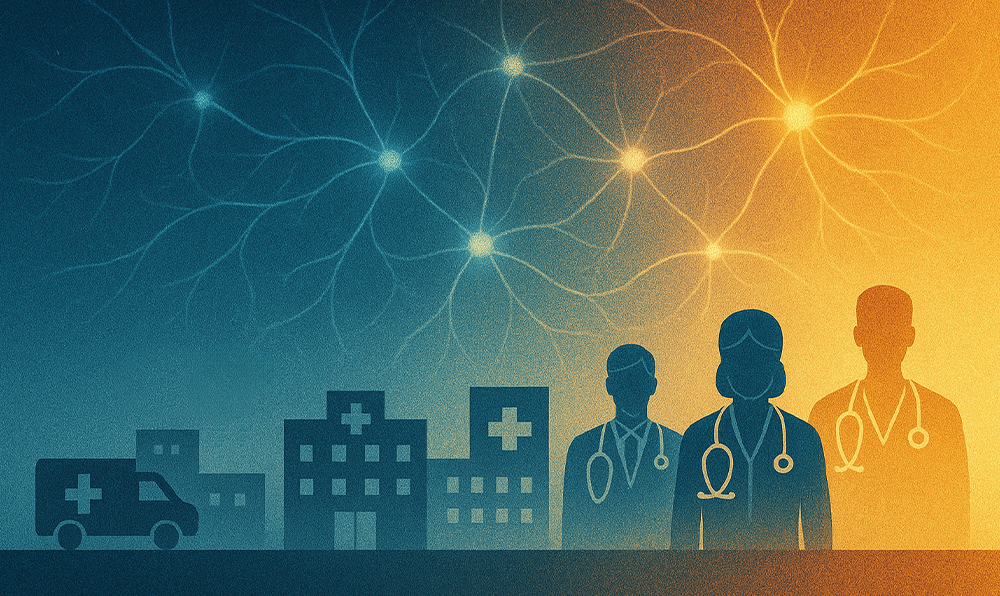
The approval of disease-modifying therapies for early, symptomatic Alzheimer's disease is raising hope for patients and caregivers. And promising new therapeutic and diagnostic capabilities are expected in the next five years. Unfortunately, the healthcare system is not prepared to serve all patients who might benefit from these innovations.
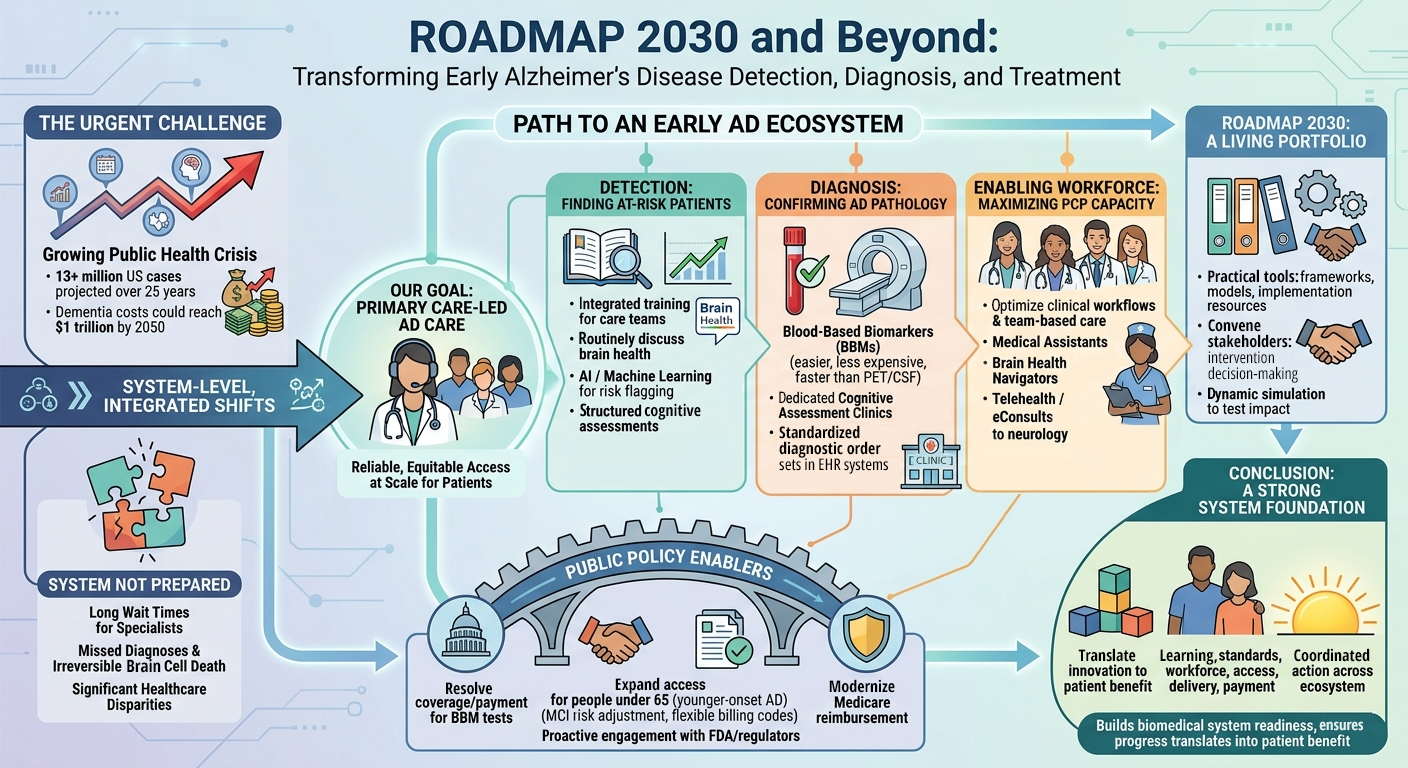
Our project focuses on one key leverage point in advancing health system preparedness in the US: reengineering early Alzheimer's disease management (detection, diagnosis, and treatment) to be more primary care oriented.
Outputs from this project include a portfolio of resources:
- Roadmap 2030, with a particular focus on transforming early Alzheimer’s disease care
- An open access dynamic simulation model of Alzheimer’s disease for system innovation design and implementation planning
- Implementation plan for several system change blueprints, demonstrating use of the simulation model on actionable opportunities
- Ongoing communication activities to enhance visibility and catalyze real-world adoption of tools and blueprints across the Alzheimer’s ecosystem.
- Evolving Issue Briefs - foundational references that keep pace with the ever-changing ecosystem
ISSUE BRIEFS
This collection of briefs focuses on important issues specific to Alzheimer's disease care and provide foundational understanding to those looking for more information. By design, these briefs are live posts on the website that can be updated as the ecosystem evolves, to provide up-to-date references for the Roadmap.
How to use the Scenario Planning Tool
Intro to System Dynamics Modeling
Resource center
Action-oriented resources designed to highlight the scope and nature of the challenge, and the practical system-level steps needed to address them.
External resources
Toolkits and resources developed by our collaborators

About Biomedical System Readiness
The Biomedical System Readiness (BSR) Initiative seeks to collaboratively address the growing gap between the accelerating pace of biomedical breakthroughs and the lagging capacity of health ecosystems to deliver them — reliably, equitably, and at scale. Our mission is to industrialize nearly two decades of system-design work into a shared infrastructure of processes, tools, data, and multi-stakeholder methods that translate biomedical innovation into timely patient benefit across disease ecosystems. This multi-stakeholder effort convenes biopharma, diagnostics, payer, provider, regulatory, and patient advocacy organizations to redesign how breakthrough therapies reach the patients who need them most.
Join NEWDIGS
The NEWDIGS consortium is a global “think and do” tank focused on improving health outcomes by accelerating appropriate, timely, and equitable access to biomedical products in ways that are scalable and sustainable for the system.
We tackle challenges that are too big and complex to be addressed by any single organization or stakeholder alone. Join us as we build on our proven multi-stakeholder system design methods to advance the next way of innovation through our Biomedical System Readiness Initiative.
Contact us at tuftsmcnewdigs@tuftsmedicine.org now for more information!