



What is BSR?
Biomedical breakthroughs are arriving faster than health systems can deliver them. The gap between what science can achieve and what patients actually receive — timely, reliably, equitably — is widening.
"It's like trying to drive a high-performance car through mud."
Senior Executive, Life Sciences Industry
BSR is the Center for Biomedical System Design's response: a multi-stakeholder initiative that builds the shared capabilities health ecosystems need to translate innovation into patient benefit at scale.
Drawing on nearly two decades of system-design work, BSR convenes biopharma, payers, providers, regulators, and patient advocates to redesign how breakthrough therapies reach the patients who need them most — and to measure whether they do.
Readiness Gap Archetypes
Shared ways a system isn't ready
Most access problems look unique. Traced to root cause, a small number of patterns keep reappearing across diseases and products. The readiness gap archetypes are how we name them — so solutions get built once and reused, not rebuilt for every case.
WRONG POCKET PROBLEM
Who pays, and who benefits
One organization bears the cost. A different one collects the savings. It's the most common readiness gap we've encountered in seventeen years — and this “wrong pocket problem” is where we're starting.
BSR in Action
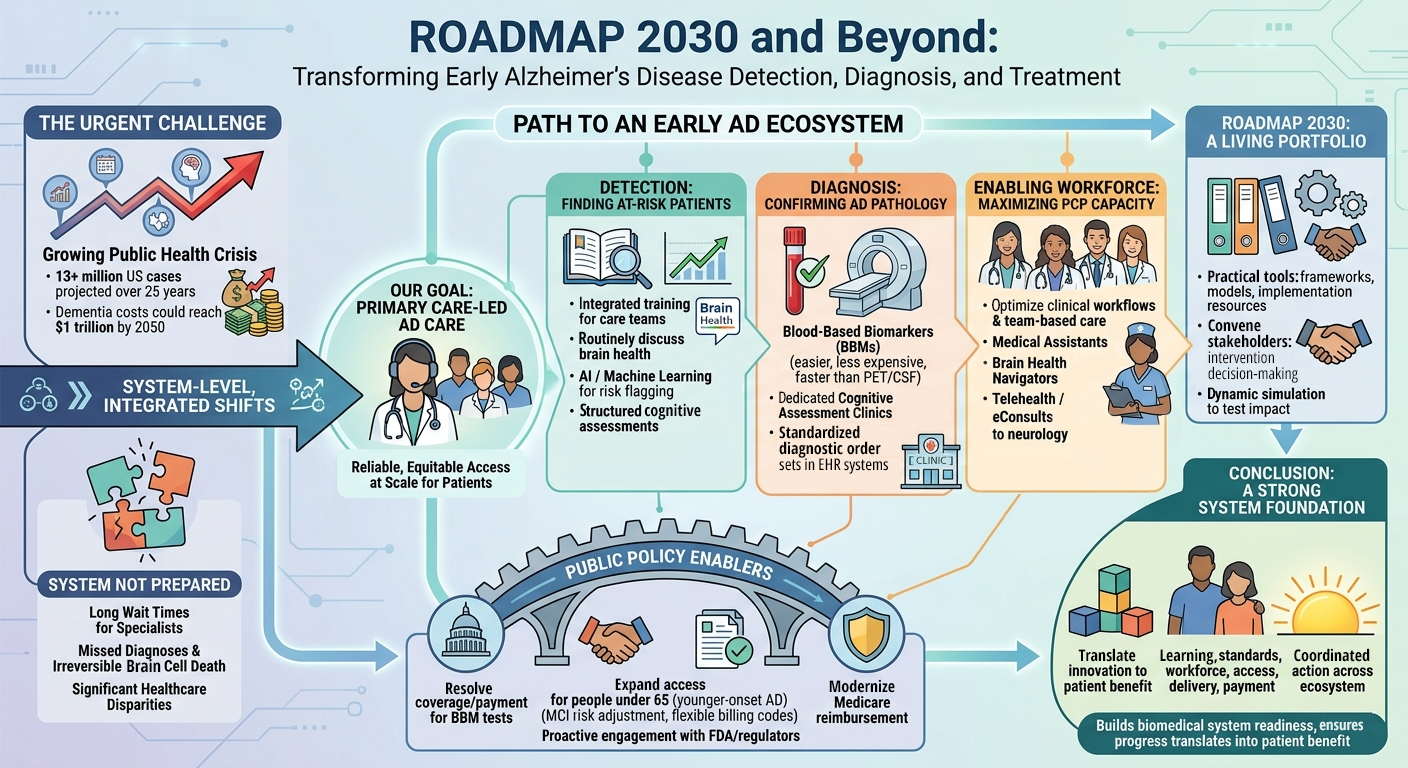
Alzheimer's disease
Transforming Early Alzheimer's Disease Care
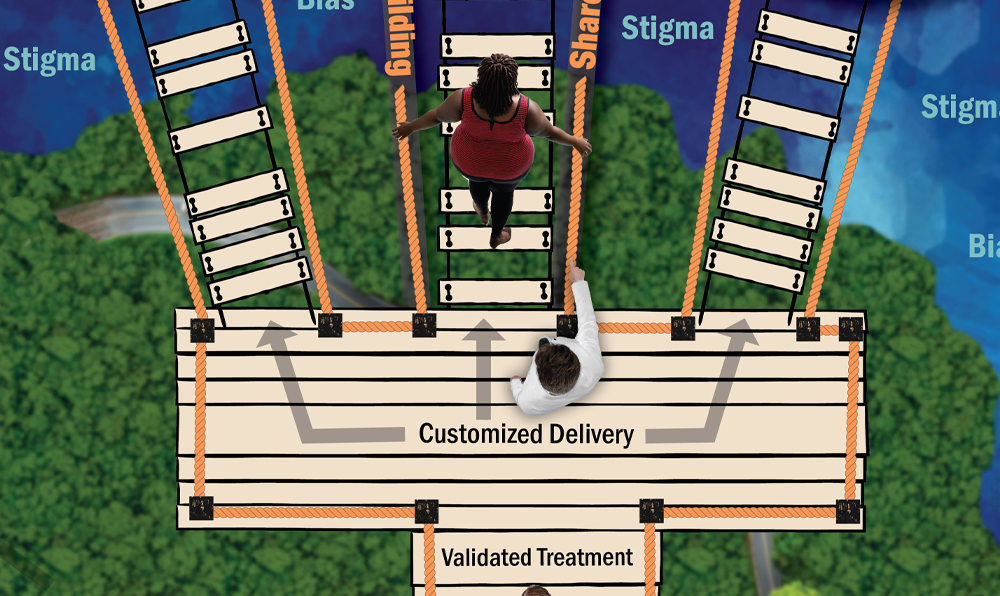
Obesity
Transforming Obesity Disease Management
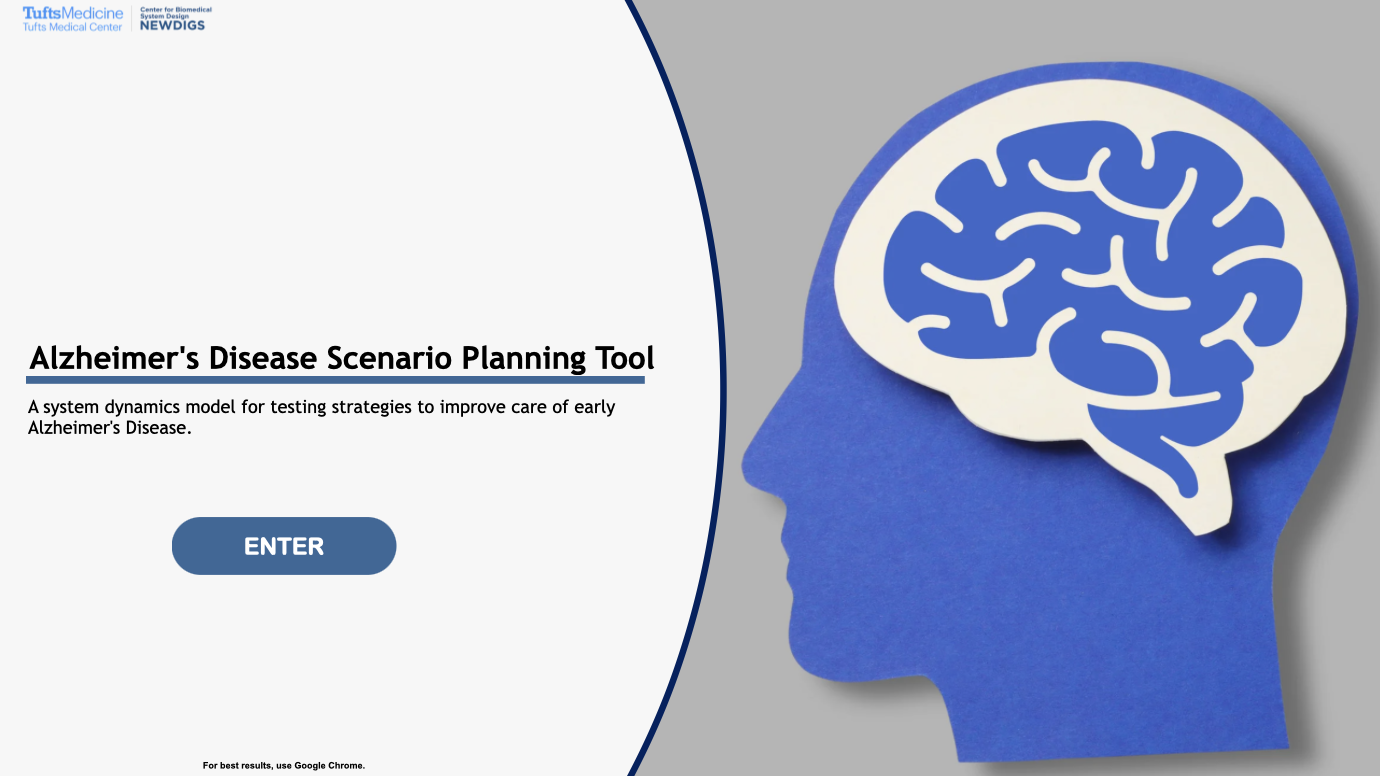
Scenario Planning Tool
Dynamic Simulation Model for Alzheimer's Disease
An interactive tool for simulating the effect of combining solution designs laid out in the Early Alzheimer's Roadmap 2030.
Accelerating and Scaling Impact
Biomedical Health Efficiency
Measuring What Determines System Readiness
Biomedical Health Efficiency (BHE) is the capacity of a system to deliver appropriate, timely, and equitable access to innovation with optimal use of resources:
- Makes system readiness measurable (not abstract)
- Identifies bottlenecks across regulation, payment, delivery, and access
- Enables comparison, benchmarking, and targeted intervention
If we can measure readiness,
we can improve—and accelerate—it
Dive deeper into BHE and how it relates to our Impact Acceleration Strategy.
BHE Perspectives
Short foundational reports on the development of BHE
How Common Disease Metrics Have Driven System-Level Change
Historical Precedents and Implications for the BHE Framework
Readiness Network
From fragmented pilots to shared infrastructure
Pilots generate learning that rarely adds up to system change. The Readiness Network is the connective layer — a common measurement spine that makes isolated demonstrations compound. Disease-agnostic design, applied first in Alzheimer’s.