




Alzheimer's disease
Reengineering Alzheimer's Disease Management
The approval of disease-modifying therapies for early, symptomatic Alzheimer's disease is raising hope for patients and caregivers. And promising new therapeutic and diagnostic capabilities are expected in the next five years. Unfortunately, the healthcare system is not prepared to serve all patients who might benefit from these innovations.
Our project focuses on one key leverage point in advancing health system preparedness in the US: reengineering Alzheimer's disease management (detection, diagnosis, and treatment) to be more primary care oriented.
Outputs from this project will include:
- Roadmap 2030, with a particular focus on transforming early Alzheimer’s disease care
- An open access dynamic simulation model of Alzheimer’ disease for system innovation design and implementation planning
- Implementation plan for several system change blueprints, demonstrating use of the simulation model on actionable opportunities
- Ongoing communication activities to enhance visibility and catalyze real-world adoption of tools and blueprints across the Alzheimer’s ecosystem.
Visit the early Alzheimer's disease Roadmap 2030 resource center (under construction - official launch Summer 2026)
Obesity
Roadmap for Transforming Obesity Disease Management
Obesity, first classified as a disease rather than a result of lifestyle choices in 2013, is now an epidemic in the US. While the recent approval of effective drug therapies offers new promise for patients, these alone are not enough for optimal treatment and reversing obesity rate trends.
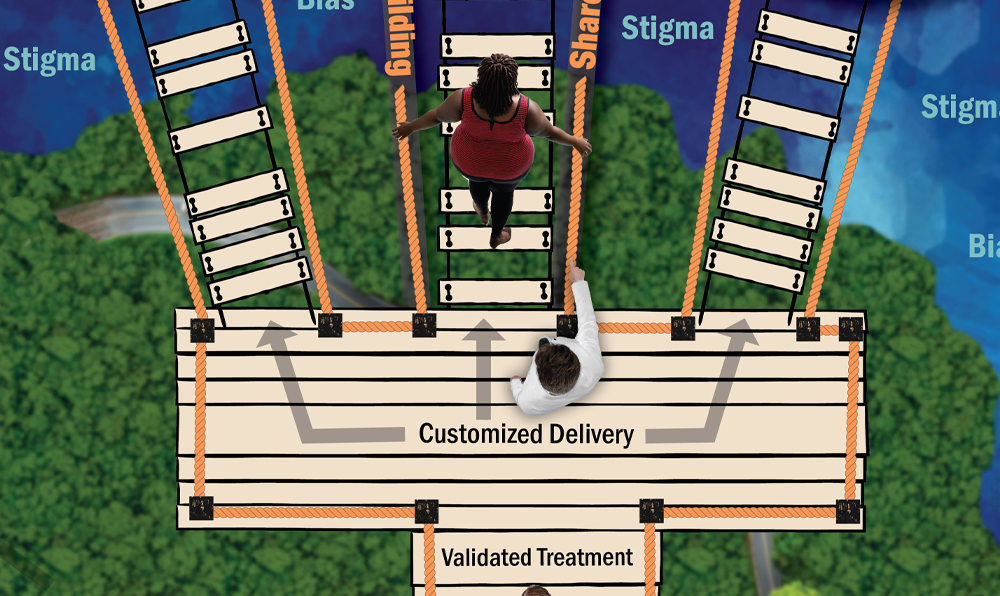
The Obesity Medicines Project focuses on re-engineering healthcare systems to improve obesity disease management. The scope of the future state vision includes (1) Patient Identification, Engagement, and Diagnosis, (2) Shared Capability Building and (3) Integrated Care.
Our Roadmap for Transforming Obesity Disease Management aims to catalyze adoption of effective practices through dissemination and discussion with key stakeholders including policymakers, professional, advocacy, and industry groups.
Visit the Obesity Roadmap resource center
RECENT News
Publications
RealClear Health Op-Ed: Getting Medical Breakthroughs to Patients Faster
November 10, 2025Optimizing Biomedical Health Efficiency: Unlocking the Full Potential of Life Science Innovation Through System Design
July 29, 2025Journal of Managed Care + Specialty Pharmacy: 10-year projection of pediatric onset rare disease therapy approvals, treated patients, and list price revenues
May 14, 2025About Biomedical Health Efficiency
The NEWDIGS Biomedical Health Efficiency (BHE) project addresses a growing gap between biomedical innovation and healthcare system readiness. We focus on enabling healthcare systems to deliver the right interventions to the right patients at the right time—achieving better outcomes for all patients with fewer wasted resources. Through multi-stakeholder collaboration, BHE identifies where value leaks across policy, payment, care delivery, and patient experience, and designs practical solutions that improve adoption, access, and performance of emerging therapies. Our goal is to ensure scientific advances translate into measurable real-world impact for patients, providers, payers, and society.
Join NEWDIGS
The NEWDIGS consortium is a global “think and do” tank focused on improving health outcomes by accelerating appropriate, timely, and equitable access to biomedical products in ways that are scalable and sustainable for the system.
We tackle challenges that are too big and complex to be addressed by any single organization or stakeholder alone. Join us as we build on our proven multi-stakeholder system design methods to advance the next way of innovation through our Biomedical Health Efficiency project.
Contact us at tuftsmcnewdigs@tuftsmedicine.org now for more information!